

Why “Normal” Blood Pressure Changed — And What It Means Today
Blood pressure guidance shifted from 140/90 toward 130/80 because medicine learned cardiovascular risk often starts earlier than we once believed.
For years, many Americans were told that a blood pressure of 140/90 was the threshold for “high blood pressure.” If you were below that number, you were often considered “okay.”
Today, that standard has changed dramatically.
Now, a blood pressure above 130/80 is considered hypertension for many adults.
That shift confused a lot of people.
Did millions of Americans suddenly become sick overnight?
Not exactly.
What changed was not human biology.
What changed was our understanding of risk.
The Old Standard: 140/90
For decades, physicians commonly used:
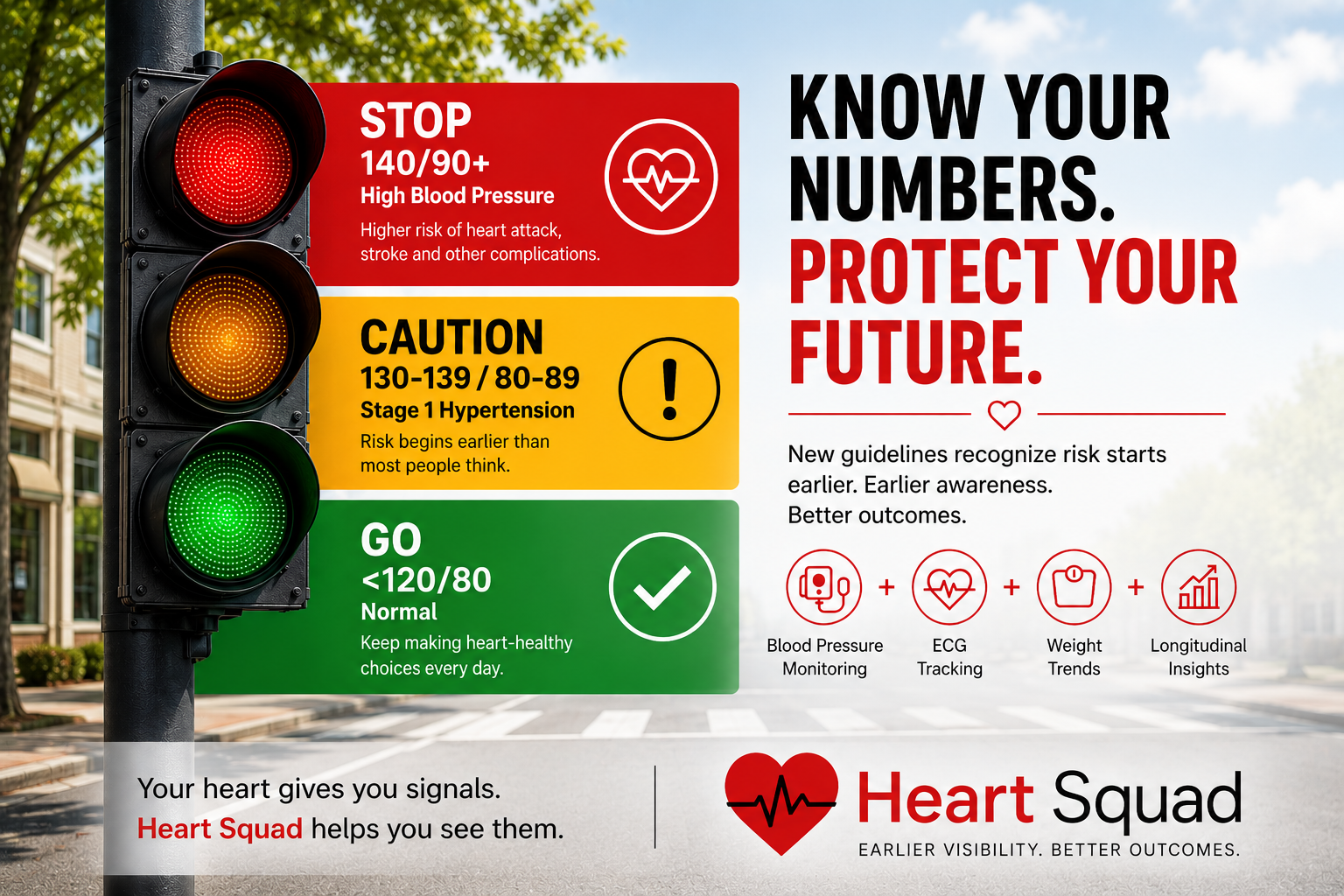
- Normal: around 120/80
- Borderline: 130s/80s
- High Blood Pressure (Hypertension): 140/90 or greater
The older approach focused heavily on treating blood pressure only after it became clearly dangerous.
The problem?
Research continued to show that damage to the body often begins long before blood pressure reaches 140/9
What Changed?
In 2017, major organizations including the American Heart Association and American College of Cardiology
The new categories became:
| Category | Blood Pressure |
|---|---|
| Normal | Less than 120/80 |
| Elevated | 120–129 and less than 80 |
| Stage 1 |
This was a major shift.
Why?
Because studies consistently showed that cardiovascular risk begins increasing earlier than previously b
Why Lower Numbers Matter
Blood pressure is mechanical force inside your arteries.
Over time, elevated pressure damages:
- blood vessel walls
- the heart muscle
- kidneys
- brain tissue
- eyes
- circulation
Even mildly elevated blood pressure — especially when sustained for years — increases risk for:
- heart attack
- stroke
- heart failure
- kidney disease
- atrial fibrillation
- vascular dementia
The danger is cumulative.
High blood pressure is often called the “silent killer” because most people feel perfectly normal while
The Science Behind the Change
Researchers began seeing a clear pattern:
People with blood pressure in the 130s/80s had significantly higher rates of cardiovascular events compared to people closer to 120/80.
Risk was not suddenly appearing at 140/90 like flipping a switch.
Instead, cardiovascular risk increased progressively as blood pressure rose.
The newer guidelines were designed to encourage:
- earlier awareness
- earlier lifestyle intervention
- earlier monitoring
- earlier medical evaluation when approp
The goal was prevention — not waiting for catastrophe.
What Have Current Outcomes Been?
The updated guidelines dramatically increased the number of Americans classified as having hypertension.
Today:
- Nearly half of U.S. adults have elevated blood pressure or hypertension
- Many still do not know they have
At the same time, the newer standards have helped drive:
- earlier diagnosis
- increased awareness
- more aggressive prevention strategies
- improved long-term cardiovascu
However, challenges remain.
Many patients still:
- check blood pressure too infrequently
- rely on a single clinic reading once or twice a year
- stop medicatio
That creates a major gap between identifying risk and actually controlling it.
Why One Clinic Reading Isn’t Enough
Blood pressure changes constantly throughout the day.
Stress, sleep, exercise, hydration, caffeine, illness, medications, sodium intake, and weight changes ca
A single yearly physical provides only a snapshot.
It does not show:
- long-term trends
- morning surges
- worsening control
- medication effectiveness over time
- lifestyle improvement
That is why modern cardiovascular prevention increasingly focuses on longitudinal monitoring — tracking
The Heart Squad Perspective
At Heart Squad, we believe earlier visibility creates earlier opportunity.
Using connected blood pressure monitoring, ECG tracking, weight trends, and AI-assisted analysis, indivi
The goal is not fear.
The goal is awareness.
Because in cardiovascular disease, timing matters.
The earlier rising risk becomes visible:
- the more options exist
- the lower the likelihood of catastrophic events
- the greater the opportunity for pr
The Bottom Line
The definition of high blood pressure changed because medicine learned something important:
Damage often starts earlier than we once believed.
The move from 140/90 toward 130/80 was not about creating disease.
It was about recognizing risk sooner.
And when it comes to heart health, earlier awareness may be one of the most powerful tools we have.