

Blood Oxygen Levels: What They Mean & How to Improve Them
Understand SpO₂, how it’s measured, what the numbers mean, causes of low levels, and practical ways to improve them.
Have you ever wondered how efficiently your body is taking in oxygen? While it’s often overlooked, blood oxygen levels are crucial for overall health. This guide will explain what blood oxygen levels are, how they’re measured, and what you can do to optimize yours.
What is Blood Oxygen Level?
Your blood oxygen level, or oxygen saturation (SpO2), measures the percentage of oxygen carried by your r
How is Blood Oxygen Measured?
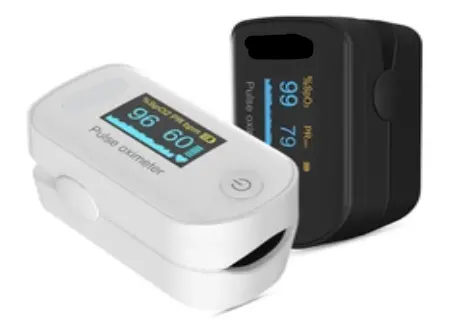
A pulse oximeter is a non-invasive device that clips onto your finger to measure blood oxygen levels. It
What Do The Numbers Mean?
A normal blood oxygen level typically ranges from 95% to 100%. However, this can vary based on factors li
- Shortness of breath
- Rapid breathing
- Chest pain
- Confusion
- Headaches
- Dizziness
- Fatigue
If you experience these symptoms, seek medical attention immediately.
What Causes Low Blood Oxygen Levels?
- Chronic conditions: COPD, asthma, heart disease, sleep apnea, cystic fibrosis
- Anemia: Low red blood cell
Improving Your Blood Oxygen Levels
To enhance your blood oxygen levels, consider these tips:
- Deep breathing exercises: These can help increase oxygen intake.
- Regular exercise: Improves lung capacit
Remember: If you have concerns about your blood oxygen levels, consult with a healthcare provider for ac
By understanding blood oxygen levels and taking proactive steps to improve them, you can enhance your ov