


Atrial Fibrillation: Overview, Types, Symptoms & Diagnosis
What AFib is, how it feels, the main types, triggers, complications, and how clinicians diagnose it—plus when to seek care.
Article overview
- What is atrial fibrillation?
- Types of atrial fibrillation
- Atrial fibrillation symptoms
- What does atrial fibrillation feel like?
- How long does it last?
- Factors causing atrial fibrillation
- Atrial fibrillation potential complications
- Diagnosing Atrial Fibrillation
What is atrial fibrillation?
Atrial fibrillation (Afib) is an abnormal heart rhythm in which the upper chambers of your heart quiver o
When you have atrial fibrillation, the standard regular contraction pattern of your heart’s atria (the to
Types of atrial fibrillation
Types of AFib are typically described as paroxysmal, persistent, and permanent.
Paroxysmal atrial fibrillation
This is the most common type of AFib. People with paroxysmal AFib have episodes that usually last for a f
Persistent atrial fibrillation
This is when AFib lasts more than seven days or if it comes back after going away for a while. With pers
Permanent atrial fibrillation
This is the most severe type of AFib. When you have permanent AFib, your heart’s electrical system has b
Learn more about 24h ECG Recorder with AI Analysis
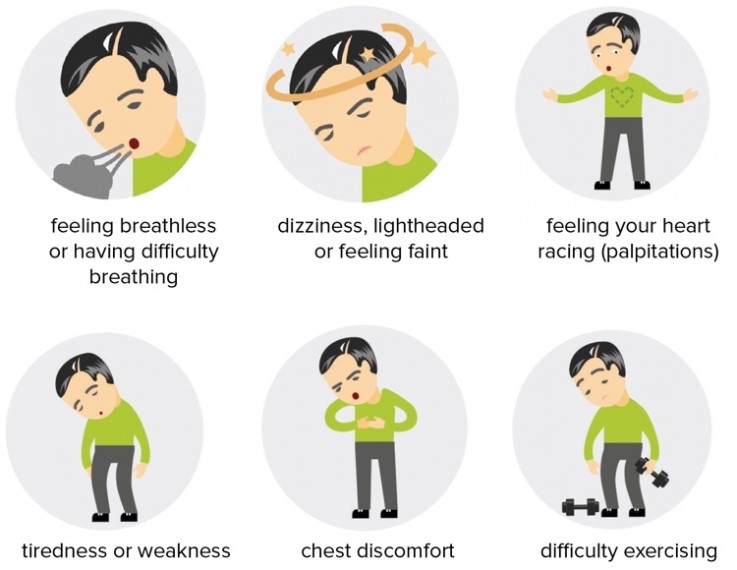
Atrial fibrillation symptoms
- Palpitations
- Feeling the heart is too fast, too slow, or irregular
- Fluttering sensation in the chest
- Short
What does atrial fibrillation feel like?
What does afib feel like? When you feel an episode for the first time, you might notice a skipped heartb
- “I feel my heart is going to burst out of my chest.”
- “I feel completely wiped out.”
- “My heart feels as th
These symptoms can come and go.
How long does it last?
AFib can last for a few minutes, hours, days, weeks, or even months. Some people have only one episode t
Atrial fibrillation may come and go, but it’s a lifelong condition for some people. Most people with atr
Factors causing atrial fibrillation
- Structural abnormalities of the heart
- Coronary artery disease
- High blood pressure (hypertension)
- Fluid acc
Learn more about 24h ECG Recorder with AI Analysis

Atrial fibrillation potential complications
- Stroke
- Heart failure
- Blood clots
- Cardiac arrest
- Death
Stroke
If you have Afib and are not taking anticoagulant medication (medications that help prevent blood clotti
Heart failure
occurs when the heart muscle can no longer pump blood effectively around the body. This can lead to flui
Blood clots
occur when blood thickens and forms a solid mass or lump. This can cause various problems, including pul
Cardiac arrest
In severe cases, cardiac arrest may occur in people experiencing atrial fibrillation. In this case, it i
Death
The risk of death is also increased in people with atrial fibrillation. This is most often due to a stro
How long does it last?
AFib can last for a few minutes, hours, days, weeks, or even months. Some people have only one episode t
Atrial fibrillation may come and go, but it’s a lifelong condition for some people. Most people with atr