

Atrial fibrillation (Afib)
Atrial fibrillation (Afib) is a cardiac dysrhythmia that usually occurs in heart disease or during drug therapy. Those affected suffer from palpitations, shortness of breath and dizziness. Atrial fibrillation can be cured in over 95 percent of cases.
Atrial fibrillation (Afib) is a cardiac dysrhythmia that usually occurs in heart disease or during drug therapy. Those affected suffer from palpitations, shortness of breath and dizziness. Atrial fibrillation can be cured in over 95 percent of cases
Article overview
- 1. Description
- 2. Symptoms
- 3. Causes and risk factors
- 4. Diagnosis and examination
- 5. Treatment
- 6. Course of
Atrial fibrillation: Description
Atrial fibrillation is a rhythm disorder that originates from the right atrium of the heart. In the atriu
Sometimes this blocking of electrical excitations stops. Then so many excitations are transmitted to the
Atrial fibrillation: Symptoms
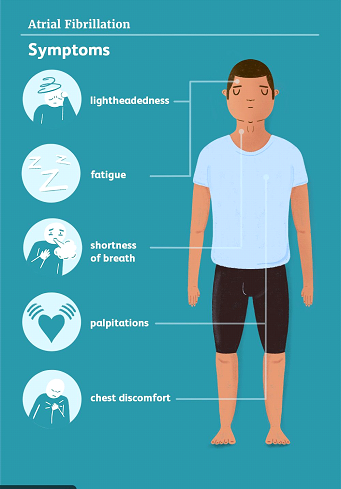
Because the heart beats very fast in Atrial fibrillation (more than 150 times per minute), sufferers almo
Atrial fibrillation: Causes and risk factors
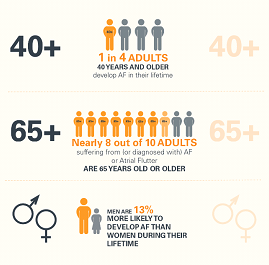
Most often, Atrial fibrillation occurs when the heart is weakened by coronary artery disease, inflammat
Atrial fibrillation: Diagnosis and examination
It is usually sufficient for the doctor to order an electrocardiogram (ECG / EKG). Electrodes placed on
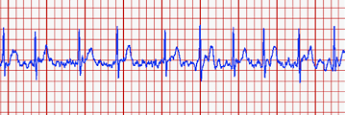
Because Afib is irregularly irregular, it is easily diagnosed by humans and automated like, AI ECG Monit
Atrial fibrillation: Treatment
Atrial fibrillation can be stopped for a time by a procedure called electro cardioversion. This therapy
If Atrial fibrillation occurs more frequently, a catheter ablation can cure the affected person. For thi
Atrial fibrillation: Course of the disease and prognosis
In almost all cases, Atrial fibrillation can be cured by catheter ablation. However, the prognosis is pa
Atrial fibrillation is sometimes dangerous if each excitation is transmitted directly to the ventricles.
Since Afib increases the risk of stroke, sufferers often need to be given blood-thinning medication. If
You can monitor your heart rate and rhythm at home in real-time with or without a doctor’s prescription